Listen closely
Start with the people doing the work: their context, constraints, workarounds, and questions.
About / Designer, engineer, field observer
I am Shubham Som Gupta, a Senior UX Designer working on enterprise healthcare and service experiences. I bring research, systems thinking, and visual craft together so teams can move from a complicated reality to a clear next step.
Start a conversation
A route, not a straight line
My route into digital product design began with mechanical engineering, then moved through transportation design and product development. Those disciplines taught me to notice form, movement, constraints, and the practical reality behind every elegant idea.
Today, that grounding helps me work across clinical workflows, service operations, remote monitoring, and design systems—where a good interface is only one part of a much larger experience.
Amity University, Noida
School of Design Studies, UPES
Enterprise healthcare today
Working rhythm / 01–03
Start with the people doing the work: their context, constraints, workarounds, and questions.
Turn the fuzzy parts into journeys, prototypes, and decisions a cross-functional team can use.
Stay with the details—from usability validation and design-system quality to the build itself.
The work now
At Philips, I design digital experiences across oncology, service, remote monitoring, and ultrasound. The work spans the full arc: discovery, service journeys, interface design, prototyping, usability validation, and implementation with agile teams.
I enjoy the useful tension between a person trying to complete a task and the complex organisation that has to support them. That is where maps, prototypes, clear language, and well-made systems earn their place.
Employment history
Enterprise healthcare and service experiences across oncology, remote monitoring, ultrasound, and service operations.
Medical-product communication, STEM education kits, and design leadership across physical product work.
AI in practice / Assist, test, decide
I use AI to accelerate the early, repeatable parts of design—requirements drafting, concept exploration, and AI-enabled workflow prototypes—so more attention can go to the decisions that need human context.
In recent scoping work, requirements automation and AI-assisted ideation wireframes saved 3–4 hours per feature.I use AI to structure early requirements and surface the questions a team needs to answer before it starts making screens.
AI-assisted wireframes help turn a direction into something concrete enough for a fast stakeholder conversation.
The output is a starting point, not a verdict. Research, clinical expertise, usability testing, and stakeholder review decide what moves forward.
Selected foundations
Learning
Recognition
Outside product work / Field observation
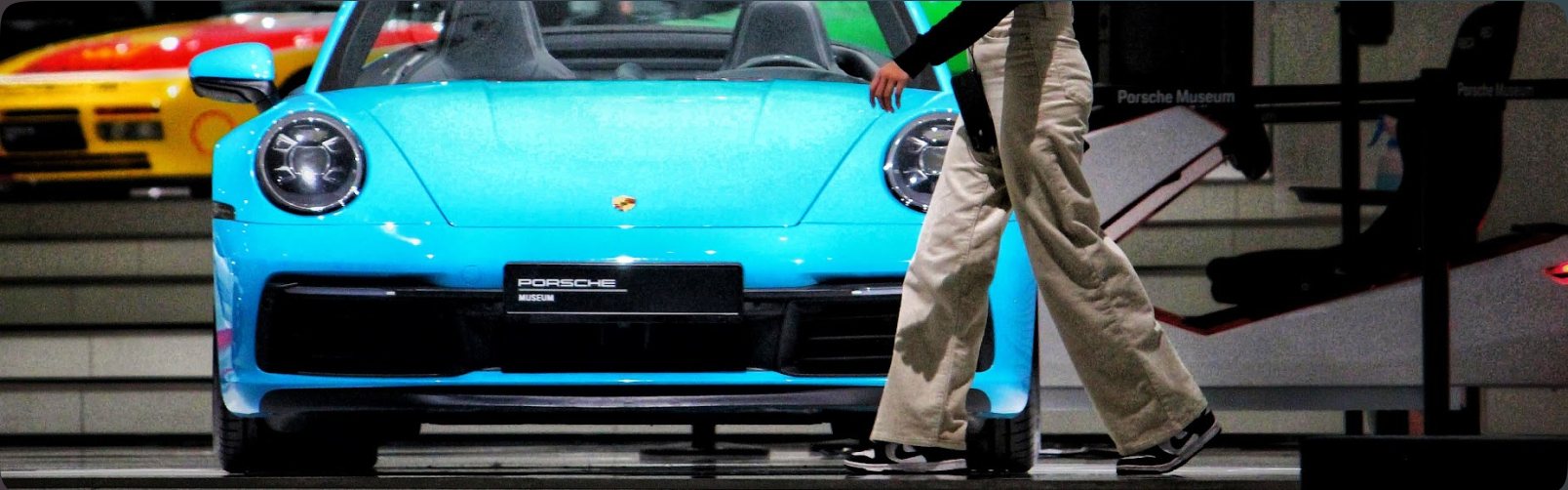
Photography is where I keep practicing attention: light, behaviour, movement, and the small details that make a scene feel alive. Automotive design and physical form still pull me in for the same reason. Both are reminders to look beyond the screen.
Explore photography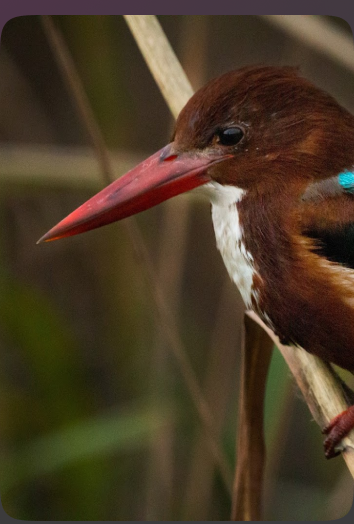

A few recurring subjects
Birds in motion. Machines with a point of view. The way people make a place their own. These are all small studies in context.